
Empowering Youth in Botswana: Building Health, Reducing Stigma, and Strengthening Communities
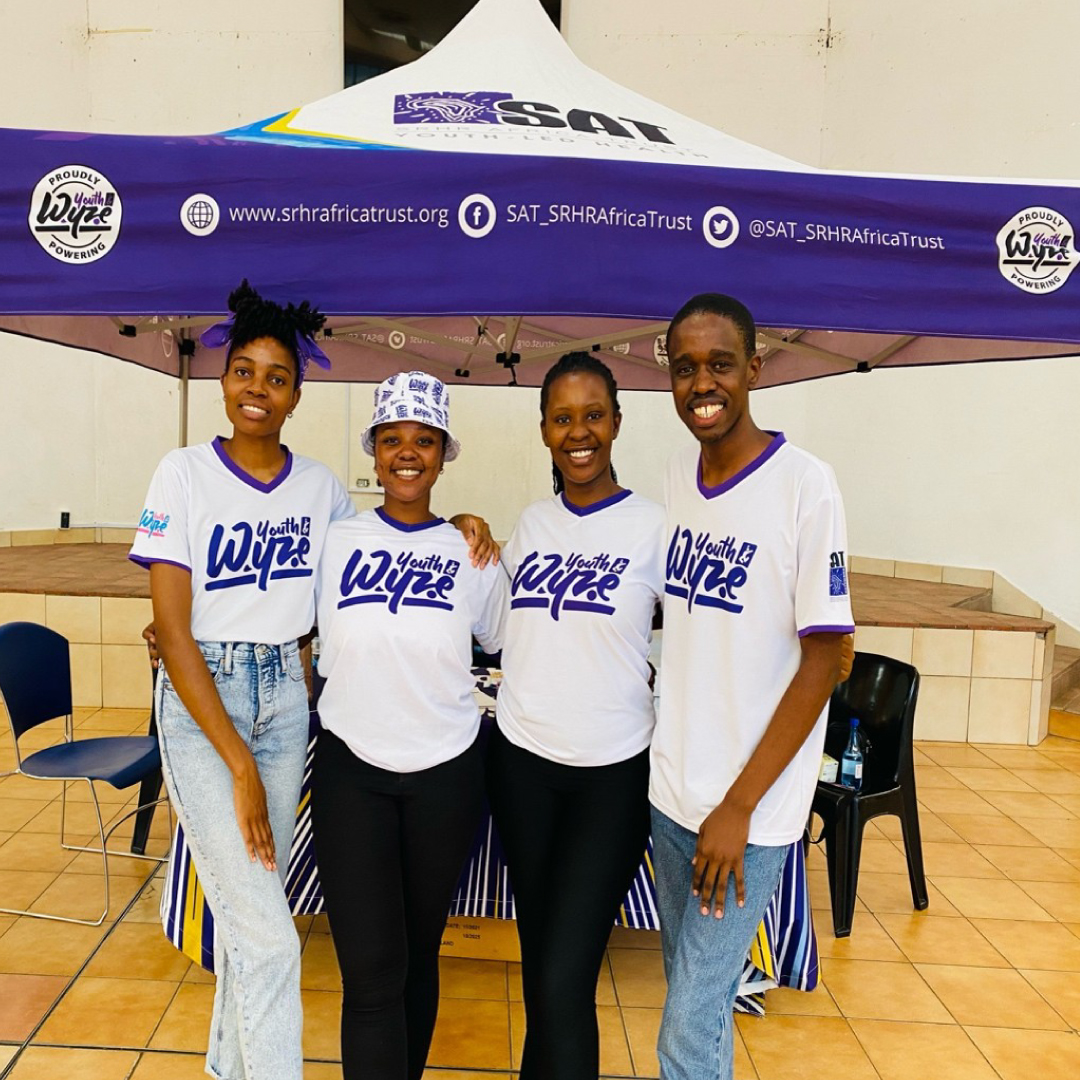
In Botswana, youth are often at the forefront of health challenges, particularly around issues like HIV and sexual health. Many young people face barriers to accessing accurate information, resources, and support. Through community-driven workshops and advocacy campaigns, youth are now embracing a new wave of empowerment. They have gained confidence, self-awareness, and practical knowledge that enable them to make informed choices about their health and well-being. This transformation has led to a more open dialogue around sexual health and has begun to break down the stigma surrounding HIV in communities.
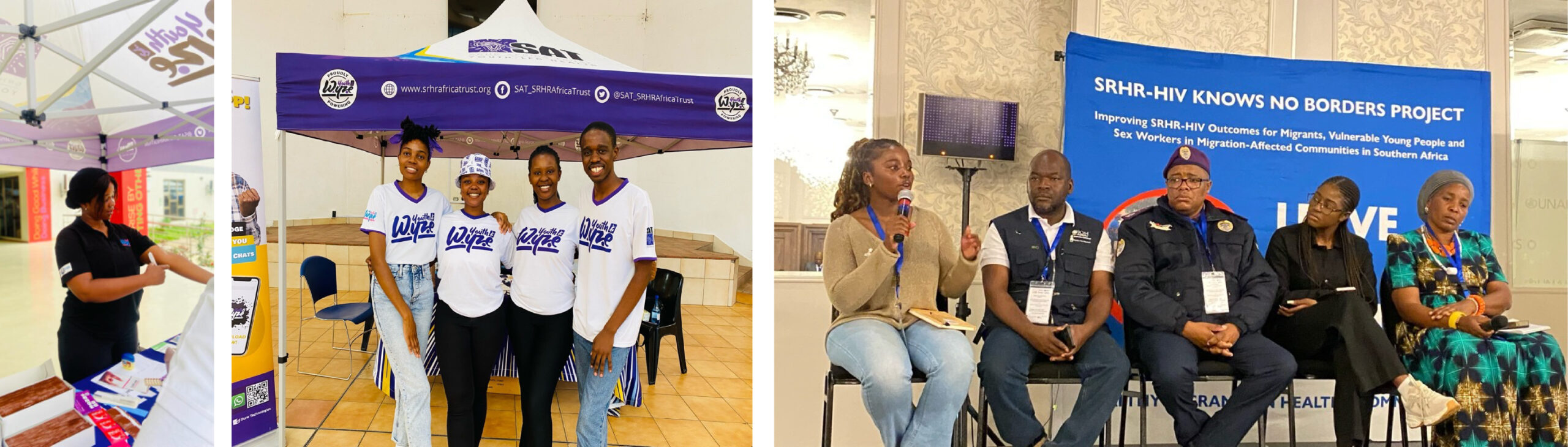
Victoria Wose Makosha’s journey in advocacy began when she joined SRHR Africa Trust (SAT) Youth Hub, where her passion for empowering youth and creating meaningful change blossomed. Starting as a youth facilitator, she recognized early on the power of education, open dialogue, and peer support in addressing the sexual and reproductive health challenges facing Botswana’s youth, particularly the stigma around HIV. Her dedication and influence have since grown, positively impacting her community, expanding to a national platform, inspiring regional collaboration, and contributing to global youth advocacy efforts.
At the outset, Victoria’s work focused on mobilising young people within her community to engage in workshops and safe-space dialogues cantered on sexual health and rights. Through her guidance, these sessions helped to break down barriers, allowing young people to discuss sensitive topics like HIV openly and without judgment.
Youth who participated in these programs reported feeling more informed, empowered, and supported. They began to advocate not only for their own health but also for those around them, creating a ripple effect of awareness and openness across the community. This grassroots approach brought lasting change, helping her community address health challenges in a supportive, stigma-free environment.
Victoria’s dedication soon saw her stepping into a national role, where she engaged in advocacy efforts that aimed to reach youth throughout Botswana. She collaborated with local organizations, health officials, and policymakers to push for improved access to sexual and reproductive health resources for young people.
Her role expanded to include leading educational workshops that emphasised leadership skills, equipping youth with tools to become advocates within their own communities. This national outreach inspired young leaders across Botswana, helping to establish a network of empowered youth ready to take an active role in their health and well-being. Victoria’s work contributed to a broader national conversation around HIV, youth rights, and health access, reinforcing her position as a key advocate for positive change in Botswana.
Her journey has also extended to the global stage after being appointed the HER Voice Fund Ambassador, where her work with SRHR Africa Trust and other advocacy platforms aligns with the objectives of the United Nations Sustainable Development Goals (SDGs), especially SDG 3 (Good Health and Well-being) and SDG 5 (Gender Equality).
By sharing her insights and experiences, she has become a voice for African youth in international discussions on health, education, and empowerment. Her involvement in global youth conferences and forums has provided a platform to share Botswana’s successes and challenges, highlighting the importance of culturally relevant, youth-led health programs that inspire change worldwide.
Victoria’s story illustrates how locally driven efforts can shape global perspectives, inspiring youth advocates around the world to adopt similar approaches in their own communities.
Support from The Swedish International Development Cooperation Agency, through SRHR Africa Trust has been instrumental in funding youth-led advocacy and health education initiatives in Botswana. With these resources, youth activists like Victoria have been able to deliver hands-on workshops, host safe-space dialogues, and distribute educational materials that address sexual health and HIV. The funding has also enabled partnerships with other local organizations, amplifying the program’s reach and impact. These contributions have made a substantial difference in enabling young people to advocate for inclusive policies, access essential health resources, and drive sustainable community change.
“The work we’re doing is more than just health education; it’s building a generation that feels empowered and informed. When I see youth confidently talking about HIV and supporting each other, I know we’re creating lasting change. These young leaders are building a future where stigma and misinformation are replaced with support, resilience, and informed choices,” said Victoria