
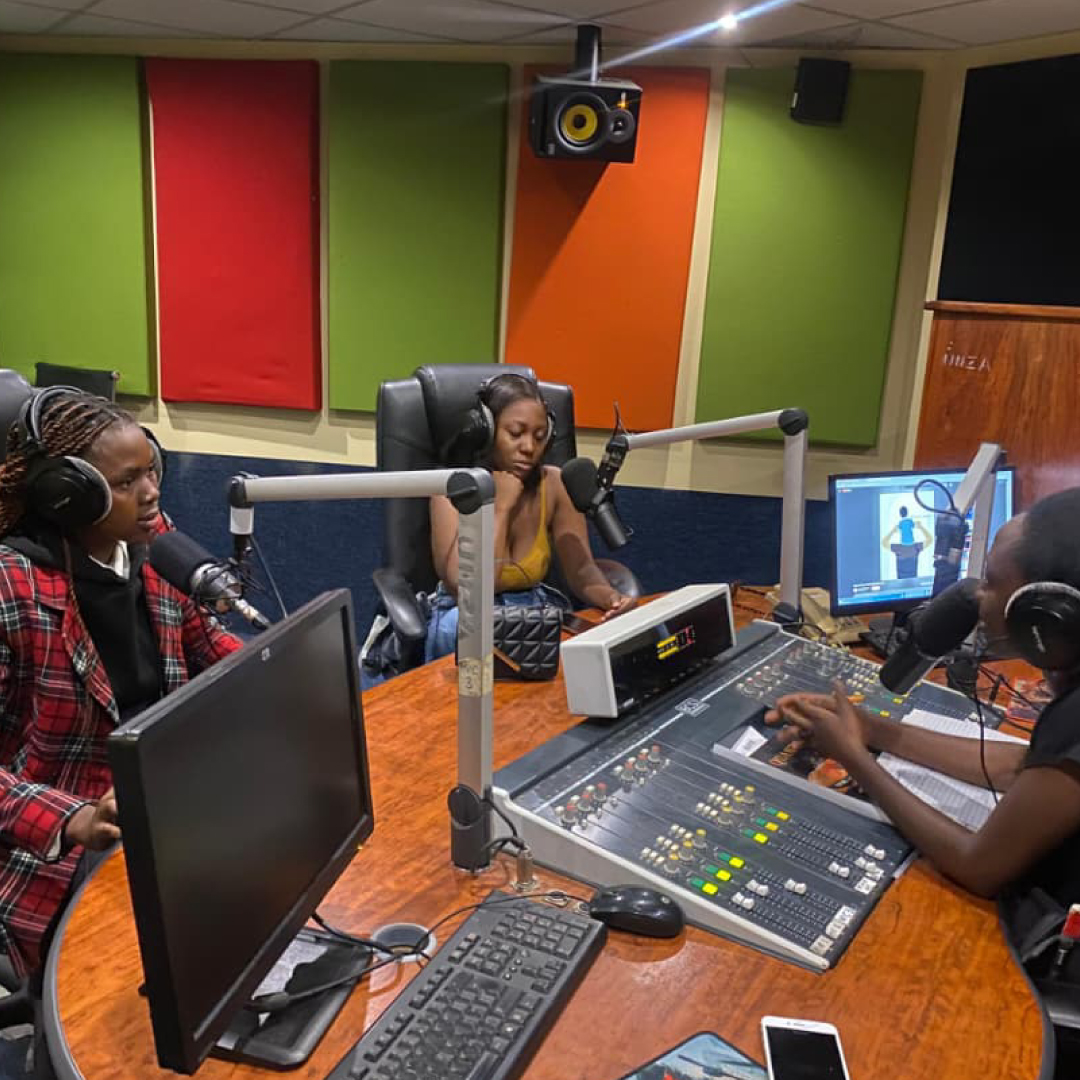
From Community Voices to Powerful Airwaves: Transforming SRHR education through radio in Zambia

“The SRHR information I learn from SAT is updated and accurate. This helps me share reliable knowledge with listeners during my programme. It allows me to confidently discuss important topics knowing that what I am sharing is correct, verified, and updated.” – Doris Zulu – UNZA Radio Presenter and Chilenje Clinic Peer Educator
For many young people and community members, radio remains one of the most accessible and trusted sources of information. It reaches people in their homes, workplaces, and communities, making it a powerful platform for sharing knowledge and raising awareness on important issues.
However, discussing topics related to sexual and reproductive health and rights (SRHR) on radio requires accurate information and confidence. Without reliable sources, broadcasters risk spreading misinformation on sensitive issues that affect the health and well-being of young people.
For Doris Zulu, a presenter at UNZA Radio and a peer educator at Chilenje Clinic, ensuring that listeners receive correct and reliable information is a responsibility she takes seriously. As someone who interacts with both young people and adults in the community, she understands how easily misinformation can spread when people lack access to verified knowledge.
The situation began to change when SAT Zambia provided support through SRHR information and knowledge sharing.
Through SAT’s training and resources, Doris gained access to updated, accurate, and evidence-based SRHR information. This strengthened her ability to confidently discuss important health topics during her radio programme while guiding listeners toward appropriate services when needed.
Through her radio platform, Doris now reaches over 1000 listeners, including both young people and adults in the community. Her programme has become a trusted space where listeners can receive accurate information about sexual and reproductive health.
Similarly, Harrison Mbewe, a Hone FM presenter and Chipata Level One Hospital facilitator, is also using the power of radio to extend SRHR information to communities. By combining his role as a broadcaster with his work as a peer educator, he is able to bridge the gap between health facilities and the wider community.
“Using radio helps us reach people who may never visit a health facility but still need correct information about their health and SAT Zambia has helped achieve that,” said Harrison Mbewe
Today, radio is playing a crucial role in expanding access to SRHR knowledge. Through these programmes, young people and community members are able to learn, ask questions, and receive guidance on where to access services.
The most significant change is that accurate sexual and reproductive health information is now reaching communities beyond the walls of health facilities.
Through the voices of media champions like Doris and Harrison, radio has become a powerful tool for education, awareness, and empowerment, ensuring that communities have access to reliable information that can positively transform lives.
Their work demonstrates the power of equipping young leaders with the right knowledge and platforms. With accurate information and a voice on the airwaves, they are transforming radio into a powerful tool for education, empowerment, and community change