
From silent spaces to vibrant Youth Hubs: Transforming youth-friendly services in Lusaka
“Before SAT supported us, we rarely had outreach activities, and many young people didn’t even know that our youth-friendly space existed. Today, we are able to reach them in their communities, and the number of adolescents accessing our services has increased greatly.” – Larry Mudenda, Matero Clinic Peer Educator.
For many years, youth-friendly spaces in some Lusaka health facilities, including Chipata, Mtendere, Chilenje, and Matero, struggled to attract adolescents. Although these spaces were designed to provide young people with safe access to sexual and reproductive health information and services, their reach was limited.
Most sensitization activities were conducted within the facility itself. This meant that only the few young people who visited the facility could learn about the services available. However, many adolescents in surrounding communities rarely visited health facilities for health services, leaving a large number of young people unreached.
Outreach activities were also extremely limited due to lack of funding and logistical support. In some cases, facilities could only conduct one outreach activity in six months or sometimes none at all. Without transport support, refreshments, or facilitation for volunteers, it was difficult to mobilize youth groups to engage young people outside the facility.
Communication gaps within facilities also made service delivery challenging. Youth volunteers had limited interaction with focal point personnel, and coordination between departments was not always strong. As a result, adolescents sometimes struggled to access services easily.
The situation began to change when SAT Zambia stepped in to strengthen youth-friendly service delivery in Lusaka.
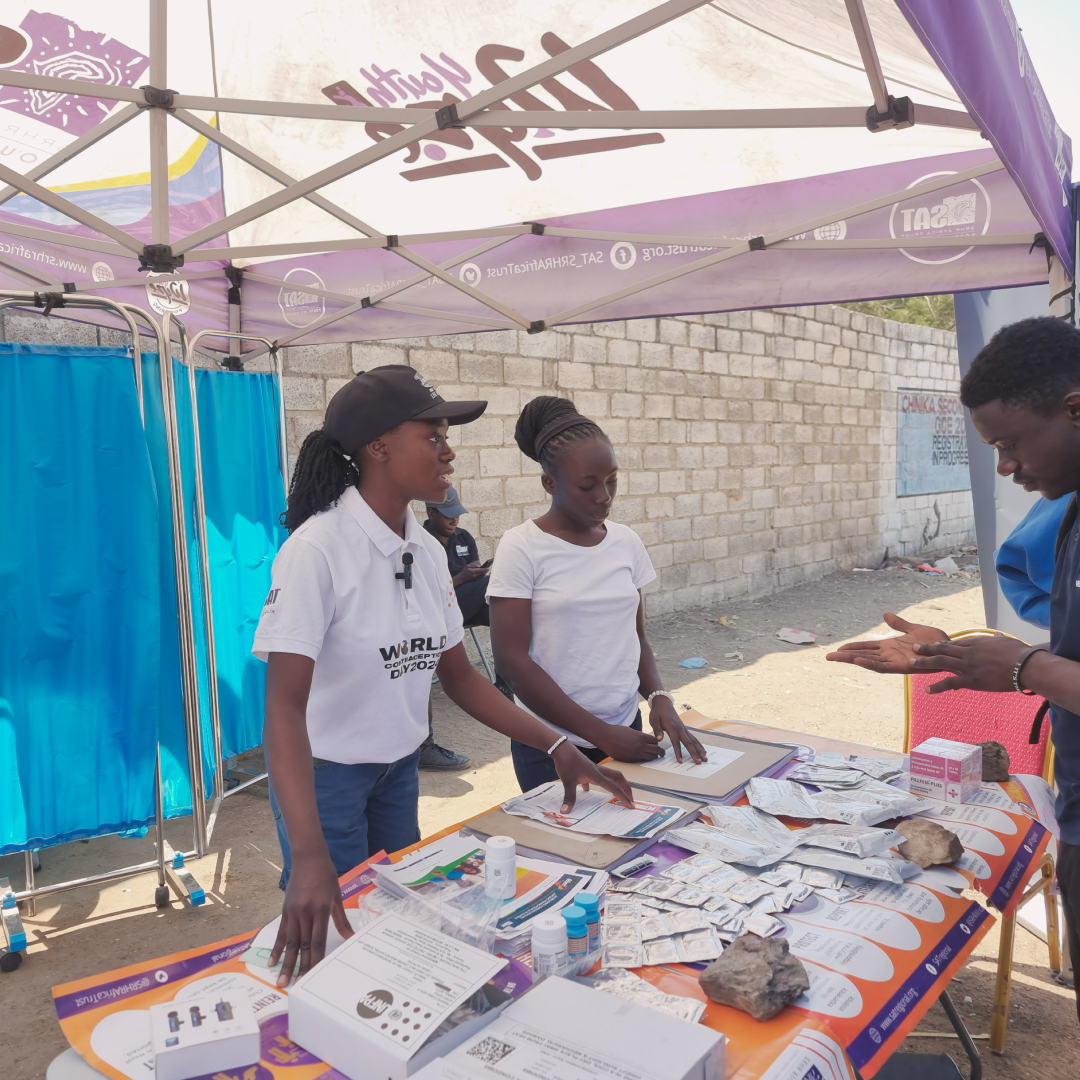
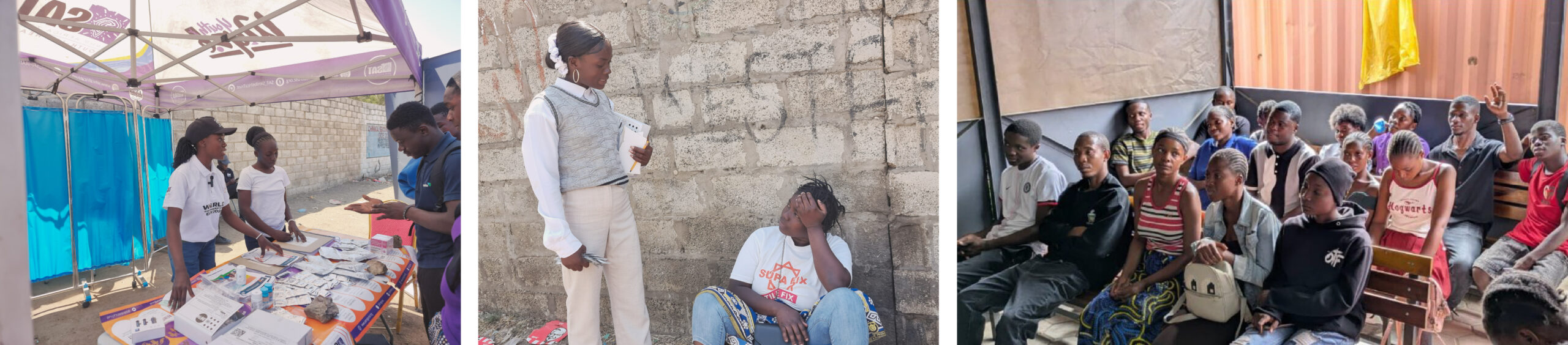
With SAT’s support, youth volunteers adopted a community outreach approach, taking information and services directly to young people in their communities instead of waiting for them to visit the facility. Outreach activities began to take place more frequently, allowing volunteers to engage adolescents in schools, communities, and other youth gathering spaces.
At Chipata facility, the programme also strengthened collaboration with Maternal and Child Health (MCH) nurses, one of the departments where many adolescents access health services. This improved the referral system and made it easier for young people to receive the services they needed.
Support from YouthWyze further helped strengthen media engagement. Youth volunteers began producing videos and sharing information about their youth-friendly spaces on social media platforms such as Facebook. This increased visibility and helped attract more adolescents to the spaces.
Today, the results are evident. More young people are attending youth-friendly space meetings, outreach activities are reaching adolescents directly in their communities, and collaboration between youth volunteers and health workers has significantly improved.
For many volunteers, the programme has also been personally transformative.
“Through this programme, I have gained more knowledge about sexual and reproductive health, and I have expanded my networking platforms, especially in media. Now we are able to share our work online and reach even more young people,” said Nelly Mtendere, who attends the clinic.
Youth-friendly spaces in Lusaka are no longer quiet rooms within health facilities. They have become vibrant hubs where young people access information, build confidence, and connect to essential health services.
The most significant change is that young people who were once difficult to reach are now informed, engaged, and empowered to take charge of their health and future.