

Increasing school retention of learners through early detection of disease and referrals. A case of Mutasa district, Manicaland Zimbabwe
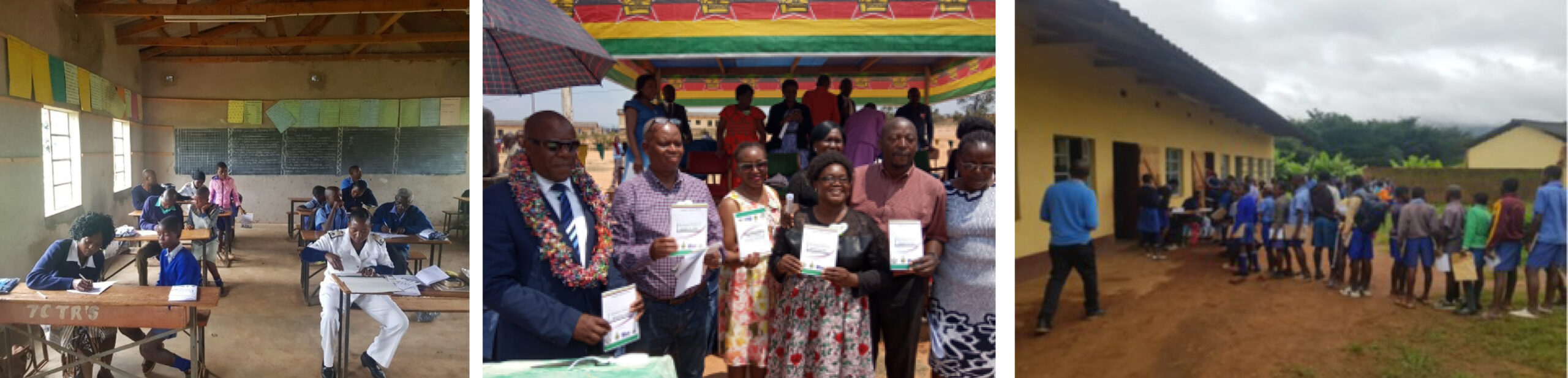
Before the SAT School health intervention, Mutasa district had high rates of school dropouts because of undiagnosed ailments, unintended pregnancies among other issues. With the support from the Mutasa District stakeholders (Chiedza, DAC and other CSOs) and key government ministries (Education, Health, and Women Affairs), SAT developed a school health report book to assess and monitor the health of learners.
SAT supported the delivery of consistent quality health services to 44 schools (20 Primary and 24 Secondary) and reached 9064 learners in Mutasa District, using a model that embraced a multi-sectoral approach through working with different stakeholders that are active in providing child welfare services. With inputs from the district stakeholders, SAT also developed a School-Kit in the form of posters and a guide for teachers to address critical issues facing learners in schools and communities.
This programme was relevant in promoting health and wellbeing of learners. Some of the levers of change included the strengthening of relationships between schools, health facilities and the community; learners have a better understanding of HIV and SRH and improved health seeking behaviours; reduced rate of girls dropping out of school due to teenage pregnancy or early marriage and improved education results. A total of nine thousand and sixty-four (9064) learners had head to toe assessments, including STI screening and treatment, referrals for HIV testing and counselling where necessary.
With support from The Swedish International Development Cooperation Agency (SIDA), the school health programme helped to provide learners with information and education on Sexual reproductive health and rights (SRHR), conduct health assessments, early disease detection, enhanced learning outcomes, overall improvement in health conditions of learners and reduction in school dropouts.
“The school health programme helped diagnose a sexually transmitted infection that I had, and I was referred for treatment and provided with condoms. I am now confidently continuing with my education,” said a Form 3 learner from Tsvingwe Secondary School.